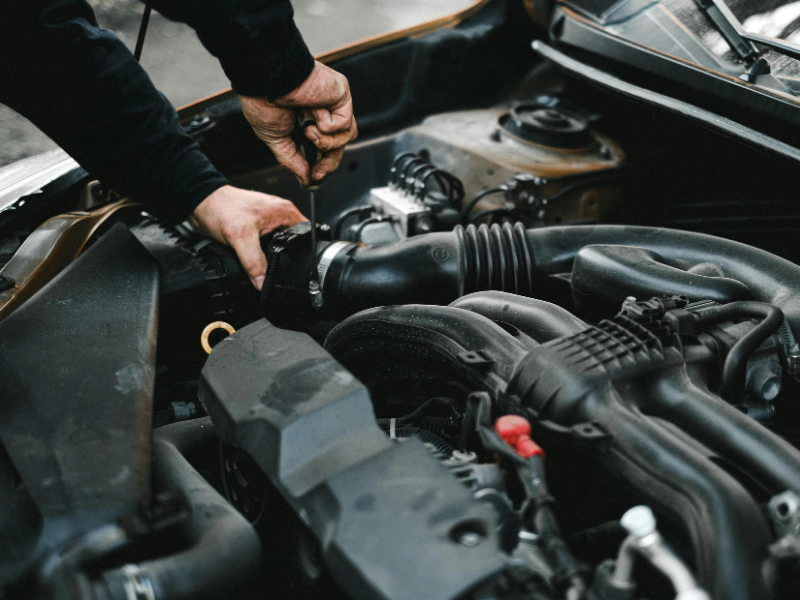
Why Automotive Engine Repair Matters
Modern engines are highly complex systems made up of many moving parts working together to generate power. When one component fails, it can affect overall performance, fuel economy, and safety.
Proper engine maintenance and repair helps prevent breakdowns, improves efficiency, and reduces long-term repair costs. Addressing minor concerns early often prevents larger mechanical failures later.
Routine care and early diagnosis are essential for maintaining the reliability of your vehicle.
Understanding Basic Engine Components
Before discussing repairs, it helps to understand some of the major engine components involved in automotive engine repair.
1. Spark Plugs
Spark plugs ignite the fuel-air mixture inside the engine cylinders. Worn or damaged plugs may cause rough idling, poor acceleration, or reduced fuel economy.
2. Fuel Injectors
Fuel injectors deliver fuel into the engine. Dirty or clogged injectors can reduce performance and lead to engine hesitation.
3. Timing Belt or Timing Chain
The timing system keeps engine components synchronized. Failure of this component can result in serious engine damage.
4. Battery and Ignition System
The battery and ignition system help start the vehicle and power engine electronics. Weak electrical systems can mimic engine-related issues.
5. Cooling System
The cooling system regulates engine temperature. Overheating caused by cooling problems can lead to severe engine damage.
Understanding these parts makes it easier to follow an engine troubleshooting guide when issues arise.
Common Signs of Engine Problems
Recognizing early warning signs is critical for preventing expensive damage. Many signs of engine problems appear gradually and should never be ignored.
1. Check Engine Light
One of the most obvious warning signs is the check engine light. While it may indicate a minor issue, it can also point to serious mechanical concerns.
A diagnostic scan can identify the specific problem.
2. Unusual Engine Noises
Knocking, tapping, grinding, or rattling sounds often suggest internal wear or mechanical damage.
Strange noises should always be inspected quickly to avoid worsening damage.
3. Reduced Fuel Efficiency
If your vehicle suddenly uses more fuel than normal, the engine may not be operating efficiently.
Fuel system problems, worn spark plugs, or air intake issues may be responsible.
4. Rough Idling or Stalling
An engine that shakes, vibrates, or stalls unexpectedly often signals ignition, airflow, or fuel delivery problems.
5. Smoke from the Exhaust
Different smoke colors can reveal specific problems:
- Blue smoke may indicate oil burning
- White smoke may signal coolant leaks
- Black smoke may suggest excessive fuel consumption
These are important signs of engine problems that should be professionally diagnosed.
6. Loss of Power
Difficulty accelerating or sluggish performance often points to engine trouble.
Causes may include clogged fuel filters, faulty sensors, or compression issues.
How to Diagnose Engine Problems
Many drivers wonder how to diagnose engine problems before visiting a repair shop.
While professional diagnostics are ideal, homeowners can spot early concerns through basic observations.
1. Listen Carefully
Pay attention to unusual sounds during startup, acceleration, or idling.
Changes in sound often indicate internal mechanical problems.
2. Observe Dashboard Warning Lights
Modern vehicles use onboard computers to detect issues.
If the check engine light appears, diagnostic scanners can retrieve error codes that help identify the source.
3. Check Fluid Levels
Low oil, coolant, or transmission fluid can affect engine performance.
Leaks beneath your vehicle may also reveal developing issues.
4. Monitor Engine Temperature
Frequent overheating may signal cooling system failures.
Ignoring temperature warnings can lead to severe damage.
5. Notice Performance Changes
Poor acceleration, vibration, rough shifting, or reduced fuel efficiency often indicate mechanical concerns.
Following an engine troubleshooting guide helps drivers notice these warning signs early.
Common Causes of Engine Problems
Several factors commonly lead to engine failure or poor performance.
1. Lack of Maintenance
Skipping oil changes, ignoring fluid checks, and delaying repairs can shorten engine lifespan.
Regular engine maintenance and repair helps prevent unnecessary wear.
2. Overheating
Engines that consistently overheat may suffer cracked components or warped parts.
Cooling system maintenance is essential.
3. Dirty Air Filters
Blocked air filters reduce airflow and hurt fuel efficiency.
Replacing filters improves performance and protects engine health.
4. Ignition Problems
Faulty spark plugs or ignition coils often cause misfires, poor acceleration, and rough idling.
5. Fuel System Issues
Fuel pump problems, clogged injectors, or dirty fuel filters may limit performance.
Professional Automotive Engine Repair Process
Professional automotive engine repair typically follows several steps.
Step 1: Diagnosis
Mechanics begin by inspecting symptoms and running diagnostic scans.
Error codes help identify problem areas.
Step 2: Inspection
Technicians inspect engine components, fluids, belts, and connections.
Additional testing may include compression checks or leak detection.
Step 3: Repair Recommendations
After diagnosis, mechanics recommend necessary repairs.
These may include replacing sensors, spark plugs, injectors, belts, or cooling system components.
Step 4: Repair and Testing
Repairs are completed and followed by testing to ensure proper performance.
Professional shops verify that warning lights are gone and engine function has improved.
Helpful Engine Repair Tips
Preventative care is one of the best ways to avoid major repair expenses.
Here are practical engine repair tips every driver should follow:
1. Never Ignore Warning Lights
Dashboard alerts often appear before serious damage occurs.
Quick action saves money.
2. Address Strange Noises Early
Small mechanical problems can worsen rapidly if ignored.
3. Use Quality Fluids
Using recommended oil, coolant, and fuel improves performance and longevity.
4. Follow Service Intervals
Routine maintenance schedules help prevent breakdowns.
These simple engine repair tips can significantly extend engine lifespan.
Best Engine Maintenance Tips for Long-Term Reliability
Good maintenance habits reduce the risk of costly breakdowns.
Important engine maintenance tips include:
1. Change Oil Regularly
Oil lubricates moving components and prevents overheating.
Dirty oil increases wear.
2. Replace Filters
Air and fuel filters support engine efficiency.
Clean filters improve airflow and fuel delivery.
3. Monitor Coolant Levels
Coolant prevents overheating and internal damage.
Always check for leaks.
4. Inspect Belts and Hoses
Worn belts and cracked hoses may fail unexpectedly.
Routine inspections prevent roadside breakdowns.
5. Drive Responsibly
Aggressive driving increases engine wear.
Smooth acceleration and braking improve longevity.
Following these engine maintenance tips helps maximize vehicle performance.
When to Visit a Professional Mechanic
Although basic inspections are helpful, some problems require professional expertise.
Visit a mechanic if you notice:
- Persistent check engine lights
- Smoke from the exhaust
- Loud engine noises
- Frequent overheating
- Severe power loss
- Oil or coolant leaks
A trained technician can properly diagnose and repair issues before they worsen.
Protect Your Vehicle with Proper Engine Care
Understanding automotive engine repair gives vehicle owners confidence in maintaining their cars and recognizing problems early. By learning the signs of engine problems, understanding how to diagnose engine problems, and following a reliable engine troubleshooting guide, drivers can reduce repair costs and improve long-term reliability.
Consistent engine maintenance and repair, along with smart engine repair tips and preventative care, help protect one of your vehicle’s most valuable components. With proper attention and routine service, your engine can continue delivering safe, reliable performance for many years to come.