Why Brake Maintenance Matters
Proper brake maintenance is about more than just performance. It is about safety. Your car’s braking system works under pressure and heat every day. Over time, this wear affects how quickly and smoothly your car stops. Regular care prevents accidents, keeps repair costs low, and makes driving safer for everyone.
When you schedule a brake maintenance service, you help your car stop faster, reduce part wear, and keep the system running efficiently. In a place like San Antonio, where traffic and heat can be tough on vehicles, brake care matters even more.
How Your Car’s Braking System Works
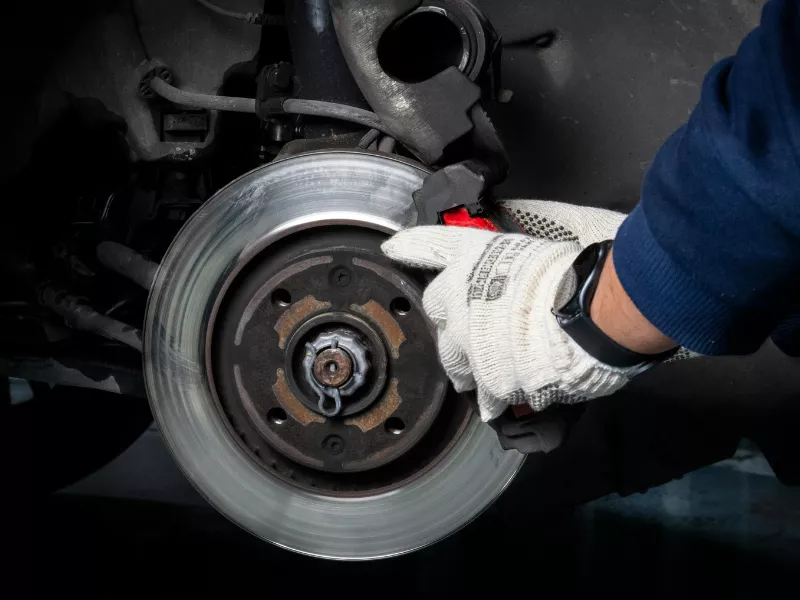
Before we dive into the brake maintenance procedure, it helps to know how the system functions. When you press the brake pedal, pressure moves through brake fluid into the calipers. These calipers push the brake pads against the rotors, creating friction that slows the wheels.
If any part of this system wears down or fails, your safety is at risk. Regular checks and car brake maintenance keep every part, from pads to rotors, working as they should.
Common Signs Your Brakes Need Service
Your car often shows early signs when something is wrong. Here are a few clues it is time for car brake repair and maintenance:
- Squealing or grinding sounds when you press the pedal.
- Vibrations that shake the steering wheel or pedal.
- Soft or sinking pedal that feels less responsive.
- Pulling to one side when braking.
- Brake warning light glowing on your dashboard.
If you notice any of these, book a brake maintenance service right away. Small issues caught early prevent bigger, more expensive problems later.
Understanding the Brake Maintenance Procedure
A full brake maintenance procedure includes several detailed checks to make sure your system is safe and responsive. Here is what most services include:
1. Brake Pad Inspection and Replacement
Pads wear out over time. Mechanics check thickness and replace them when too thin. This prevents metal-on-metal contact and rotor damage.
2. Rotor Inspection and Resurfacing
Rotors can warp from heat. They are measured and resurfaced or replaced to ensure even braking and smooth stops.
3. Brake Fluid Check and Flush
Brake fluid absorbs moisture, which can lower pressure and cause corrosion. Replacing it every two to three years keeps braking strong.
4. Caliper and Hose Check
Calipers and hoses are inspected for leaks, cracks, or sticking parts. This ensures balanced pressure and proper brake performance.
5. Brake Hardware and Lubrication
All moving parts are cleaned and lubricated to reduce noise and wear.
Every step in the brake maintenance procedure helps extend the life of your brakes and keeps you safe behind the wheel.
Recommended Brake Maintenance Schedule
Your driving habits, vehicle type, and environment all affect how often you need brake maintenance. Here is a general guide:
- Brake inspection: Every 6 months or 6,000 miles
- Brake pad replacement: Every 25,000 to 50,000 miles
- Brake fluid flush: Every 2 to 3 years
- Rotor service: Every 50,000 miles or when vibrations appear
If you drive in heavy traffic, tow, or travel through hills, you may need more frequent car brake maintenance. At Finsanto Automotive, our digital inspections show you exactly what your brakes need so there are no surprises.
Simple Brake Maintenance Tips You Can Do at Home
You do not need to be a mechanic to take care of your brakes. Try these brake maintenance tips to make your system last longer:
- Avoid hard braking when possible.
- Keep a safe distance from other cars to prevent sudden stops.
- Check brake fluid levels regularly.
- Listen for unusual sounds.
- Clean brake dust off your wheels.
These small steps make a big difference in keeping your brakes smooth and responsive.
How Weather Affects Your Brakes
San Antonio’s heat and humidity can cause faster wear on brake parts. Moisture may affect fluid quality, while dust and debris can lead to uneven pad wear. Regular car brake repair and maintenance helps protect your system from these harsh conditions.
At Finsanto Automotive, we use durable parts and modern tools suited for Texas driving. Our goal is to keep your brakes working reliably through every season.
Why You Should Not Delay Brake Maintenance
Skipping routine brake maintenance service can lead to serious problems. Worn pads can damage rotors, while old fluid reduces braking power. You may end up paying more later for parts that could have lasted longer with regular care.
Even more important, your safety is on the line. A few extra feet of stopping distance can make all the difference in an emergency.
When to Visit a Professional Auto Repair Shop
While simple checks can be done at home, full car brake maintenance should always be handled by skilled technicians. If your car feels different, makes new noises, or the brake light appears, schedule a check immediately.
At Finsanto Automotive in San Antonio, TX, we provide honest and clear service. Our digital vehicle inspections let you see real images of your brake system before any work begins, so you always know what to expect.
Conclusion
Your brakes are your first line of safety on the road. Regular brake maintenance protects your car, your passengers, and everyone around you. Stay on top of inspections, follow maintenance schedules, and handle small repairs before they become costly.
How Finsanto Automotive Can Help
Since 2008, Finsanto Automotive has served San Antonio drivers with honesty, integrity, and quality work. We stand behind every brake repair with a 3-Year/36,000-Mile Nationwide Warranty. Our digital inspections keep the process transparent, and our certified technicians ensure every job is done right. Call (210) 684-2277 or stop by today to schedule a trusted brake repair service that keeps your car safe and dependable.