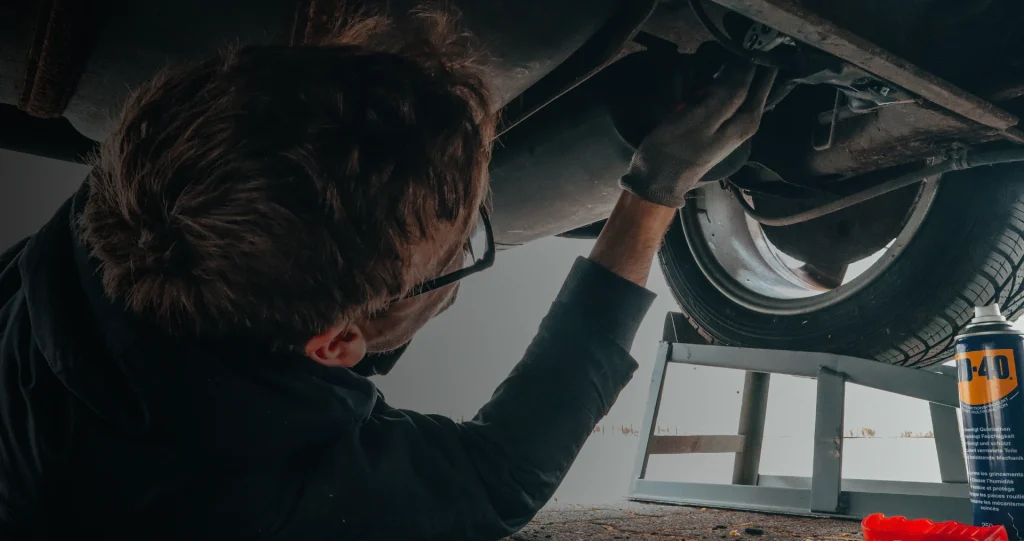
What Is an Auto Inspection?
An auto inspection is a comprehensive check performed to ensure a vehicle meets safety and environmental standards. Depending on local regulations and the type of inspection, technicians evaluate various components such as brakes, lights, tires, emissions systems, and steering.
Some inspections are required annually, while others are optional, such as pre-purchase inspections. The vehicle inspection time can vary based on the type and depth of the evaluation.
Average Time for Car Inspection
The average time for car inspection depends on the inspection type, but most standard checks are completed within 15 to 45 minutes. Here’s a general breakdown:
- Basic safety inspection: 15 to 30 minutes
- Emissions testing: 15 to 20 minutes
- Combined safety and emissions inspection: 30 to 45 minutes
- Pre-purchase inspection: 60 to 90 minutes
- Comprehensive diagnostic inspection: 1 to 2 hours
These timelines represent the typical car inspection duration, but actual times may vary based on workload, vehicle condition, and shop efficiency.
Factors That Affect Vehicle Inspection Time
Several factors influence how long does an auto inspection take. Understanding these variables can help you better estimate your wait time.
1. Type of Inspection
Different inspections require varying levels of detail. A quick emissions test takes less time than a full mechanical evaluation. For example, a pre-purchase inspection includes a thorough review of mechanical systems, body condition, and road testing, increasing the auto inspection process length.
2. Vehicle Condition
A well-maintained vehicle typically moves through inspection faster. If technicians discover worn brakes, faulty lights, or other issues, they may need extra time to document findings, which extends the vehicle inspection time.
3. Shop Workload
Busy auto shops can increase overall wait time, even if the inspection itself is quick. Scheduling an appointment can help reduce delays and ensure a smoother experience.
4. Inspection Requirements
Some regions require more detailed checks, including emissions, safety components, and documentation verification. Additional steps can increase the average time for car inspection.
5. Type of Vehicle
Larger vehicles such as trucks, vans, and SUVs may take longer to inspect than compact cars. Hybrid and electric vehicles may also require specialized checks, affecting the car inspection duration.
Breakdown of the Auto Inspection Process
To better understand how long does an auto inspection take, it helps to know the steps involved. Most inspections follow a similar process:
1. Check-In and Paperwork
The process begins with verifying vehicle information, registration, and inspection requirements. This step usually takes 5 to 10 minutes.
2. Exterior Safety Inspection
Technicians inspect exterior components such as:
- Headlights and taillights
- Turn signals
- Windshield and wipers
- Tires and tread depth
- Mirrors and license plates
This portion typically takes 5 to 10 minutes and is a standard part of the vehicle inspection time.
3. Under-the-Hood Inspection
The technician checks:
- Fluid levels
- Battery condition
- Belts and hoses
- Engine components
Depending on accessibility, this step may take another 5 to 10 minutes.
4. Brake and Suspension Check
Brakes, suspension, and steering components are evaluated for safety. This step may include lifting the vehicle, which adds to the auto inspection process length. Expect around 10 to 15 minutes.
5. Emissions Testing (If Required)
If emissions testing is part of the inspection, technicians connect diagnostic tools to evaluate exhaust output and onboard systems. This step usually takes 10 to 15 minutes.
6. Final Documentation
Once the inspection is complete, results are recorded, and documentation is provided. This final step typically takes 5 minutes.
Types of Auto Inspections and Their Duration
Different inspection types impact how long does an auto inspection take. Here’s a closer look:
1. Safety Inspection
A safety inspection focuses on essential components such as brakes, tires, lights, and steering. The average time for car inspection of this type is about 20 to 30 minutes.
2. Emissions Inspection
Emissions testing checks a vehicle’s environmental impact. Since this test is more technical but focused, the car inspection duration is usually 15–20 minutes.
3. Combined Inspection
Many locations require both safety and emissions checks. This combination typically takes 30–45 minutes, depending on vehicle condition.
4. Pre-Purchase Inspection
A pre-purchase inspection is more detailed and includes mechanical checks, test driving, and diagnostics. The vehicle inspection time for this type is usually 60–90 minutes.
5. Diagnostic Inspection
If you suspect a specific issue, a diagnostic inspection may take longer. This type of inspection can extend the auto inspection process length to 1 to 2 hours.
Tips to Reduce Car Inspection Duration
You can take steps to shorten your inspection time:
- Schedule an appointment in advance
- Ensure lights and signals are working
- Check tire pressure and tread
- Replace worn wiper blades
- Top off essential fluids
- Bring necessary documents
Preparing your vehicle beforehand can significantly reduce vehicle inspection time.
What Happens If Your Vehicle Fails Inspection?
If your vehicle fails inspection, the technician will explain the issues and recommend repairs. In this case, the total time increases since you’ll need to schedule service and return for re-inspection. Addressing minor problems ahead of time can prevent delays.
When Should You Schedule an Auto Inspection?
Plan your inspection:
- Before registration deadlines
- Before long trips
- When buying a used vehicle
- After major repairs
- Annually for safety checks
Scheduling early helps avoid long wait times and ensures flexibility.
Conclusion
So, how long does an auto inspection take? In most cases, the average time for car inspection ranges from 15 to 45 minutes, depending on the type of inspection and vehicle condition. More detailed evaluations, such as pre-purchase inspections, may take up to 90 minutes or longer. Factors like shop workload, inspection requirements, and vehicle size can all affect the car inspection duration. By