How Long Does an Oil Change Take?
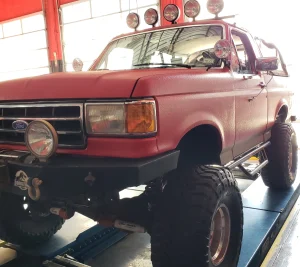
So, how long does an oil change take on average?
In most cases:
- Quick-lube or express services: 15 to 30 minutes
- Full-service auto shops: 30 to 60 minutes
- Dealerships or combined maintenance services: 45 to 90 minutes
For most drivers, a standard oil change is completed in under an hour. However, wait times can extend depending on how busy the shop is or if additional inspections are included.
How Long Does It Take to Do an Oil Change?
Another way to ask the same question is: how long does it take to do an oil change when performed by a professional technician?
The actual mechanical process is usually fast:
- Draining old oil: 5–10 minutes
- Replacing oil filter: 5–10 minutes
- Adding new oil: 5–10 minutes
- Final checks: 5 minutes
In total, the hands-on work may only take 20–30 minutes. The rest of the time is usually spent waiting in line, performing inspections, or completing service paperwork.
Factors That Affect Oil Change Time
Several factors influence how long does an oil change take:
1. Service Location
Quick-lube shops are designed for speed, while dealerships may take longer due to additional checks.
2. Vehicle Type
Some vehicles are easier to service than others. Luxury cars or vehicles with difficult oil filter access may take more time.
3. Additional Services
Many oil changes include inspections such as tire rotation, fluid checks, or filter replacements, which add time.
4. Shop Traffic
Busy service centers may have longer wait times even if the oil change itself is quick.
5. Oil Type
Synthetic oil changes may take slightly longer due to additional checks or manufacturer recommendations.
How Often Should You Get an Oil Change?
A key part of vehicle maintenance is understanding how often should you get an oil change.
The general recommendation is:
- Conventional oil: Every 3,000 to 5,000 miles
- Synthetic oil: Every 7,500 to 10,000 miles
However, modern vehicles and improved oil technology have extended these intervals. Always refer to your vehicle’s owner manual for the most accurate guidance.
Driving habits also matter. If you frequently drive in heavy traffic, extreme temperatures, or tow heavy loads, you may need more frequent oil changes.
How Many Miles Before Oil Change?
Many drivers also ask: how many miles before oil change is recommended?
The answer depends on oil type and vehicle condition:
- Older guideline: 3,000 miles
- Modern standard (conventional oil): 3,000–5,000 miles
- Synthetic oil: 7,500–10,000 miles
So when considering how many miles for oil change, it’s best to follow manufacturer recommendations rather than outdated general rules.
Skipping oil changes or stretching intervals too far can lead to engine wear, reduced performance, and costly repairs.
Why Regular Oil Changes Matter
Oil changes may seem simple, but they play a critical role in engine health.
1. Lubrication
Engine oil reduces friction between moving parts, preventing wear and overheating.
2. Cooling
Oil helps regulate engine temperature by reducing heat buildup.
3. Cleaning
It removes dirt, debris, and sludge that can accumulate inside the engine.
4. Engine Longevity
Regular oil changes help extend the life of your engine and prevent major breakdowns.
What Happens During an Oil Change Service?
Understanding the process helps set expectations when visiting a service center.
A typical oil change includes:
1. Draining Old Oil
The technician removes used oil from the engine to eliminate contaminants.
2. Replacing the Oil Filter
A new filter ensures clean oil circulates through the engine.
3. Adding Fresh Oil
The correct type and amount of oil is added based on manufacturer specifications.
4. Inspection Checks
Many shops also inspect:
- Fluid levels
- Tire pressure
- Belts and hoses
- Air filters
5. Resetting Maintenance Light
If applicable, the vehicle’s oil change reminder system is reset.
Signs You Need an Oil Change
Even if you’re unsure about mileage, your car may show warning signs:
- Engine noise or knocking sounds
- Dark or dirty oil on the dipstick
- Decreased fuel efficiency
- Oil change warning light
- Exhaust smoke or burning smell
Ignoring these signs can lead to serious engine damage.
Synthetic vs Conventional Oil
Choosing the right oil also affects how long does it take to do an oil change and how often you need one.
Conventional Oil
- Less expensive
- Requires more frequent changes
- Best for older or low-mileage vehicles
Synthetic Oil
- More durable and efficient
- Longer intervals between changes
- Better performance in extreme temperatures
Many modern vehicles are designed to use synthetic oil for optimal performance.
Can an Oil Change Be Done Faster?
Yes, in some cases oil changes can be completed very quickly, especially at express service centers. However, faster doesn’t always mean better.
A quality oil change should include:
- Proper oil disposal
- Correct oil type selection
- Filter replacement
- Basic vehicle inspection
Rushing the process too much can lead to missed issues or improper service.
Final Thoughts
Understanding how long does an oil change take helps drivers plan maintenance without unnecessary stress. In most cases, the process takes less than an hour, with actual work time often around 20–30 minutes.
Knowing how long does it take to do an oil change, how often should you get an oil change, and how many miles before oil change is needed ensures your vehicle stays in excellent condition.
Regular oil changes are one of the simplest and most effective ways to protect your engine, improve performance, and extend the life of your vehicle. Staying consistent with maintenance not only saves money in the long run but also keeps your car running safely and reliably for years to come.