Oil is the lifeblood of your engine. It keeps everything running smoothly, reduces friction, and helps prevent overheating or long-term engine damage. Whether you’re driving through the busy streets of San Antonio, TX or taking a scenic road trip through the Hill Country, regular oil changes are essential to keeping your vehicle in good shape.
But even if you’ve been driving for years, it’s not always clear how often you should change your oil. Is it every 3,000 miles? Every 5,000? Or only when the dashboard light comes on?
If you’re a vehicle owner in that 30–60 age group and juggling work, family, and life on the go, you don’t want to guess your way through vehicle maintenance. You want reliable, practical advice that helps you avoid major issues. That’s what we’re here for.
In this guide, we’ll answer your biggest questions about how often you should change your oil, why oil changes are so important, and how factors like driving habits, vehicle age, and oil type can affect your oil change schedule. You’ll also get tips specific to driving conditions in San Antonio, TX, from hot summer days to traffic around Loop 1604. And most importantly, you’ll learn how to keep your engine running reliably without overpaying or over-servicing.
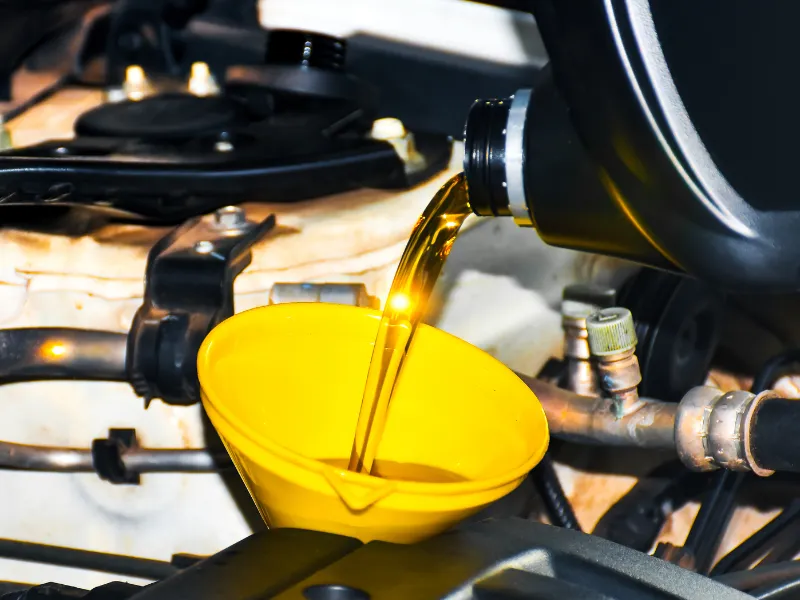
Why Oil Changes Matter for Every Vehicle
Oil changes are one of the simplest, most affordable ways to extend the life of your car. As oil flows through your engine, it keeps all the moving parts lubricated so they don’t grind together. It also absorbs heat and traps tiny particles from the burning fuel and natural wear that occurs over time.
When you skip oil changes, the oil becomes dirty, thickens, and loses its ability to protect your engine. That’s when buildup and friction increase, putting stress on your engine and potentially leading to major repairs. For drivers in San Antonio, TX, where the heat and humidity can put added strain on your vehicle, keeping your oil fresh is even more important.
If you’ve ever dealt with engine trouble because you skipped basic maintenance, you know it’s not just expensive, it’s stressful. Staying on top of your oil changes is an easy way to avoid all that.
Mileage Check: Setting the Right Interval for Your Vehicle
A common rule of thumb used to be every 3,000 miles. But modern engines and higher-quality oils have changed that. Today, most vehicles can go between 5,000 and 7,500 miles before needing an oil change.
If you’re wondering how many miles before an oil change, it depends on things like:
- The type of oil your vehicle uses (synthetic or conventional).
- Your driving habits (city roads vs. highway).
- The age and model of your vehicle.
For example, if you’re driving a newer car with synthetic oil and doing more highway driving around San Antonio, TX, you’re likely safe closer to 7,500 miles. If you’re using conventional oil and driving mostly in stop-and-go traffic near Alamo Ranch or near downtown, you’ll want to stick closer to the 5,000-mile mark.
Always check your owner’s manual for the recommended oil change interval. If you’re unsure, asking a trusted shop like Finsanto Automotive is a smart move. We help customers stay on track by sending reminders based on mileage and oil type.
The Overdue Risk: The Dangers of Skipping Your Oil Change
Life gets busy. You forget. The mileage builds up faster than you expected. So what happens if you skip that oil change?
If you’re wondering: How long can you go without an oil change? Here’s the reality: going significantly past your recommended interval can lead to increased engine wear, overheating, or even total engine failure. While some synthetic oils can go as far as 10,000 miles, it’s important to understand that this doesn’t apply to all vehicles or drivers.
If you’re someone who drives short trips around San Antonio, TX, like just ten minutes to the grocery store, it can actually wear your oil down faster. Short trips don’t allow your engine and oil to reach full operating temperature, which makes it less effective.
So how long is safe? Try not to go more than 1,000 miles past your oil change interval. And if you’re already past it or planning a weekend trip to Austin, it’s definitely time to book an appointment.
The Role of Oil Type in Oil Change Frequency
Not all motor oils are created equal. Understanding the type of oil your vehicle needs can help you determine the right oil change schedule.
- Conventional Oil: This is the most basic option. If you’re using conventional oil, you’ll usually need to change it every 3,000 to 5,000 miles, depending on your driving habits.
- Synthetic Blend Oil: A mix of synthetic and conventional oils, this option offers better performance and protection than conventional oil. Most synthetic blends will last closer to 5,000 miles.
- Full Synthetic Oil: Full synthetic oil is made for high-performance and modern engines. It handles extreme temperatures and heavy use better than other oils. Most full synthetics can last between 7,000 and 10,000 miles.
For San Antonio, TX, drivers dealing with high temperatures or frequent driving, synthetic oil is a great investment. It lasts longer and keeps your engine running cleaner.
Real-World Wear: What Accelerates Your Need for an Oil Change
Your recommended oil change frequency isn’t always set in stone. Different factors can speed up or slow down how fast your oil wears out.
Here are some things to think about:
- Fast, Frequent Short Trips: Driving 5–10 minute distances often never lets your engine fully warm up, which wears down oil faster.
- Hot Climates: In San Antonio, TX, high temperatures cause oil to thin out sooner, reducing its lubricating power.
- Towing or Hauling: If you’re towing a trailer or hauling heavy loads, your engine works harder and needs more frequent oil changes.
- Older or High-Mileage Vehicles: If your vehicle has over 100,000 miles, your oil change schedule may need to be more frequent due to wear.
These things don’t mean you need service every month. But being aware of how they impact your car can help you plan the right maintenance schedule.
Warning Signs You Need an Oil Change Soon
Sometimes your vehicle will give you clear signs that your oil needs to be replaced.
Look out for:
- A burning oil smell during or after driving.
- Dark, dirty oil when you check the dipstick.
- Louder engine noise or knocking.
- The check engine light or oil change warning light is turning on.
If you’re seeing any of these symptoms while driving around San Antonio, TX, or during your commute out to Helotes, it’s time to schedule a visit.
Is It Safe to Go Longer Between Oil Changes Today?
With better oils and updated vehicle technology, drivers today can usually stretch their oil changes a little farther than before. But remember: just because your car can go longer doesn’t always mean it should.
Modern synthetic oils are remarkable and can handle more miles. But real-world conditions still matter. For example, drivers who commute daily from Stone Oak to downtown might put 1,000 miles on their vehicle every couple of weeks. Meanwhile, someone who only uses their SUV on weekends may not reach 6,000 miles for several months.
Work with your auto service provider to figure out what’s right for your situation. The ideal strategy is to stay proactive, not reactive.
Conclusion
Knowing how often you should change your oil is one of the easiest and most important things you can do to keep your vehicle dependable and efficient. Between fuel savings, smoother performance, and avoiding surprise repairs, it’s worth staying on top of a simple routine like oil changes.
Whether you just hit 5,000 miles or it’s been six months since your last service, a quick visit to Finsanto Automotive in San Antonio, TX, will help keep your engine in top shape.
Need help figuring out what type of oil is right for you or when your next oil change should be? Give us a call at (210) 684-2277. We’re happy to walk you through your options and keep things running smoothly, no pressure, just reliable service you can count on.